Personal Injury | March 25, 2026 by JOSHUA D. ANDERSON
Minor Car Accident, No Police Report, and Your Right to Compensation
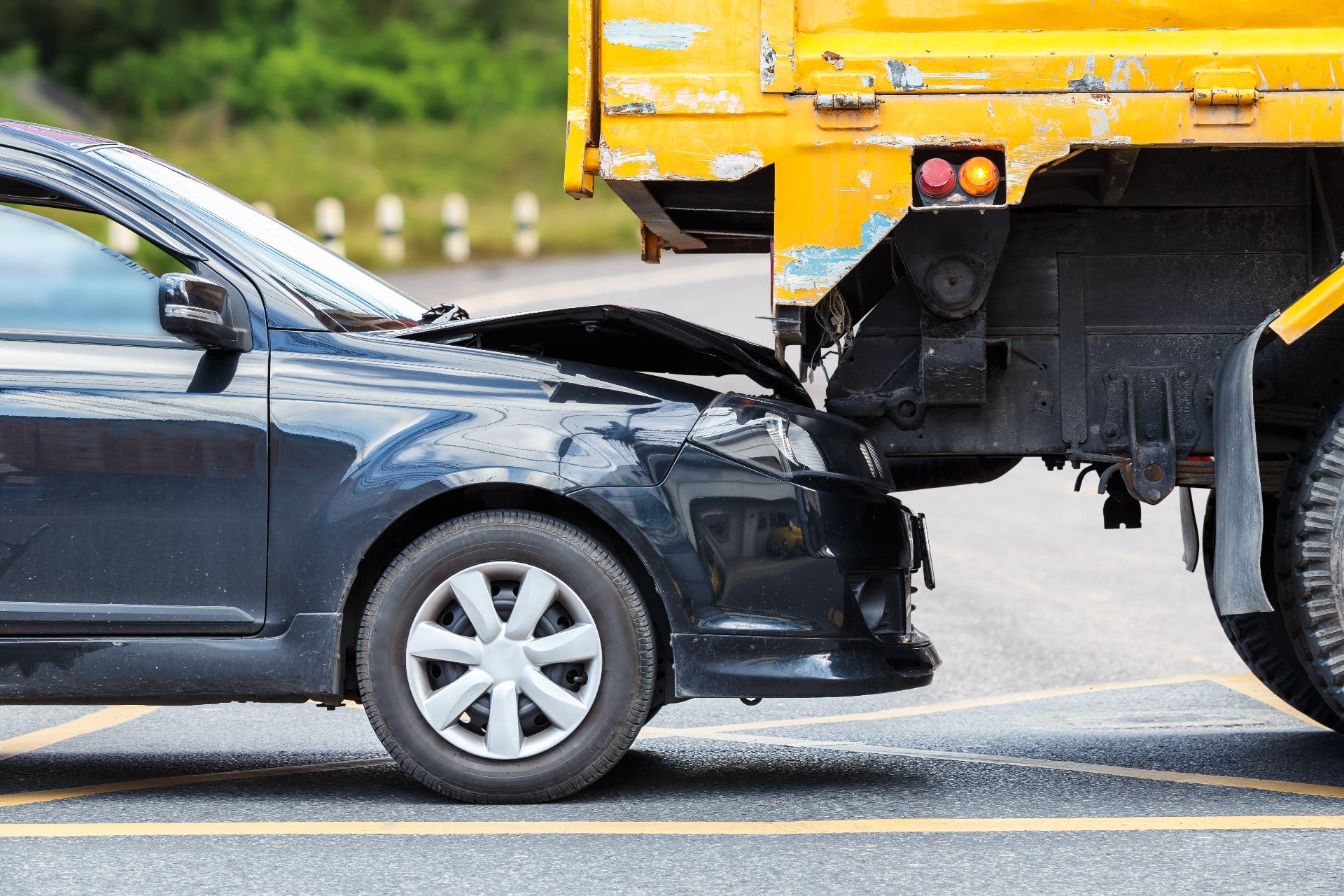
Many car accidents that seem minor never involve the police. A low-speed collision, a parking lot crash, or a fender bender often ends with drivers exchanging information and leaving the scene. At the time, everything may appear fine, and calling law enforcement may feel unnecessary.
Concerns often surface later. Pain may not appear right away because adrenaline can mask symptoms at the scene, causing injured victims to delay seeking medical care until stiffness, soreness, or limited movement set in. Repair costs also tend to increase once hidden damage is discovered during inspections. That is usually when people start to worry that not filing a police report means they cannot seek compensation.
In Washington, the absence of a police report does not automatically prevent someone from pursuing compensation. This article explains what qualifies as a minor car accident, when a police report is required or should be filed, how claims move forward without police involvement, and the steps injured drivers can take to protect their rights if symptoms or losses appear after the accident occurred.
What Counts as a Minor Car Accident?
A car accident is often considered minor based on how it appears at the scene. Common examples include parking lot crashes, slow-moving rear-end collisions, and sideswipes during lane changes. In many of these situations, the vehicles remain drivable, airbags do not deploy, and no one has any apparent injuries at the time of the collision.
How these auto accidents are viewed is often based on first impressions, not medical reality. Adrenaline can mask pain, and some injuries take time to develop. Neck strain, back injuries, and soft tissue damage frequently do not cause immediate symptoms, especially after low-impact collisions. What appears to be a small issue at first can become more serious as symptoms develop or hidden damage is discovered.
It is also common for people to assume that injuries like strains or sprains are too minor to justify a claim. In reality, soft tissue injuries can lead to ongoing pain, limited mobility, and extended treatment. These cases are often questioned by insurance companies, even though they can have a real impact on daily life and may warrant legal guidance.
From a legal and insurance standpoint, an accident can still be taken seriously even if it seemed minor at first. When injuries, medical treatment, or unexpected repair costs emerge later, the crash may carry real consequences, regardless of how small it appeared in the moment.
Is a Police Report Required After a Minor Car Accident in Washington?
Washington law does not require police to respond to every car accident. In general, a police report is typically required when a crash involves injuries, a fatality, or property damage over $1,000, but law enforcement may not always be able to respond to the scene. In those situations, drivers are still expected to document the accident and take appropriate reporting steps once it is safe to do so.
For accidents that appear minor at the scene, drivers are often allowed to exchange information and leave without waiting for police. This commonly happens in parking lot accidents or low-speed collisions where there is no obvious injury and little visible damage. Choosing not to call the police in these situations is not automatically a mistake.
If injuries or damage later turn out to be more serious, drivers may still be required to file a police report with the Washington State Patrol. Understanding when police have to file an accident report in Washington State, and how to get it, can make a difference when filing this report after the fact, since it can help document the crash and support an insurance claim, even when no police officer responded at the scene.
Can You Still File an Insurance Claim Without a Police Report?
Yes. You can file a car accident claim even when the police were not involved at the scene. While a police report can be helpful, it is not required for a valid claim under Washington law.
When no report exists, insurance providers rely on other forms of evidence to evaluate the claim. This may include photos of vehicle damage, repair estimates, written statements from the drivers, witness information, and medical records showing when treatment began.
Most insurance claims without police documentation often receive closer scrutiny. Insurance adjusters may question how the accident happened, who was at fault, or whether injuries are related to the crash. Because of this, clear documentation and consistent timelines become especially important when moving the claims process forward without a police report.
Proving Fault Without a Police Report

When police are not called to the scene, fault must be shown through alternative evidence and documentation to prove liability. Insurance companies rely on strong evidence that explains how the crash happened and who was responsible. Evidence that can be used to prove fault and determine liability includes:
- Photos or videos of vehicle damage, vehicle positions, and road conditions
- Dash cam or nearby security footage, if available
- Witness statements and contact information
- Information exchanged between the drivers at the scene
- Medical records showing when symptoms started and how injuries progressed
- Repair estimates that align with the type and direction of impact
- A collision report filed later with the Washington State Patrol
When this information is gathered and preserved, it can support a claim and establish fault even without a police report.
How Not Having a Police Report Can Harm You
When there is no police report, the other driver’s insurance company will often take a closer look at every part of the claim. Adjusters may question how the accident happened, who was the at-fault driver, or whether the injuries are related to the crash.
One common tactic is disputing fault by pointing to conflicting statements or gaps in the timeline. Without an official report with an officer’s observations, insurers may argue that there is not enough proof to support your version of events. They may also suggest that injuries were preexisting or caused by something else.
Insurance companies may request recorded statements or use delays in medical treatment to reduce or deny compensation. Even small inconsistencies can be used to justify a lower settlement offer, especially when no police report exists to provide an official account of the accident.
What Compensation Can I Pursue?
Even without a police report, injured drivers may still be entitled to pursue compensation through a personal injury claim if the accident caused them harm. The key is showing that their injuries and losses are connected to the crash and supported by documentation. Depending on the circumstances, compensation may include:
- Medical bills, including emergency care, follow-up visits, physical therapy, and ongoing treatment
- Lost wages for time missed from work while recovering
- Reduced earning capacity if serious injuries affect the ability to work in the future
- Pain and suffering related to physical discomfort and daily limitations
- Repair or replacement costs for car damage
The absence of a police report does not eliminate these damages. When the evidence supports the claim, insurance companies can still be required to pay for the full impact of the accident.
When to Talk to a Car Accident Lawyer
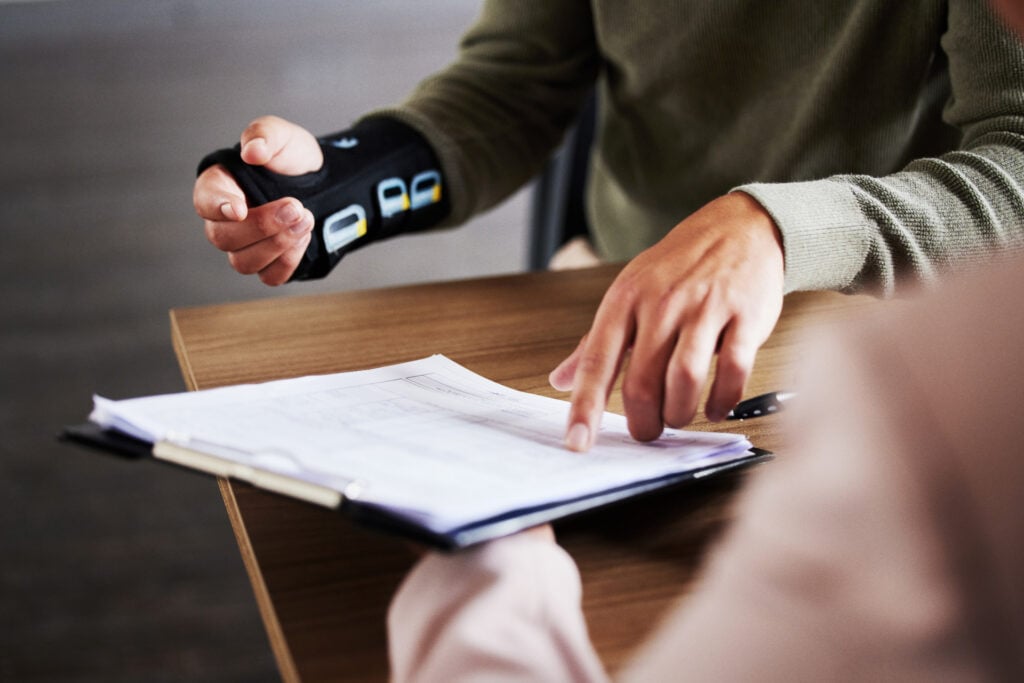
While it’s possible to resolve a minor car accident claim without an attorney, certain situations make it harder to protect your claim, especially when there is no police report. It may be time to speak with a car accident attorney if:
- Pain or other symptoms worsen days or weeks after the accident
- The insurance company disputes fault or minimizes the seriousness of your injuries
- Your claim is delayed, denied, or met with a low settlement offer
- You are asked to give a recorded statement and feel unsure how to respond
Medical treatment is ongoing (physical therapy, multiple surgeries, etc.) or interferes with your ability to work
Even injuries that may seem manageable at first, such as sprains or other soft tissue injuries, can lead to ongoing pain and extended treatment. These types of claims are often minimized or challenged by insurance companies, making them harder to resolve without guidance.
Without a police report, insurance companies often scrutinize claims more closely. They may question how the accident happened, dispute fault, or challenge whether injuries are related to the crash. An experienced attorney can help ensure evidence is properly documented, deadlines are met throughout the legal process, and the claim reflects the full impact of the accident.
Anderson Law | Injury Attorneys Is Here to Help
Even accidents that seem minor can lead to real injuries, especially when symptoms appear days or weeks later. If you are dealing with pain, medical treatment, or insurance pushback after a crash, the legal team at Anderson Law is here to help you understand your options and pursue a successful claim.
We know that every car accident case is different, particularly when no police report exists. Our team takes the time to understand how the accident happened, the involved parties, and how your injuries developed, and we gather as much evidence as is available. From there, we build a strategy designed to support your claim and address the challenges insurance companies often raise in these situations.
Anderson Law works closely with clients throughout the process, handling communication with insurance companies and advocating for fair compensation. Contact us today for a free consultation to learn more about your legal options. There is no obligation and no fee unless you win.
The information contained on this website is intended for informational purposes only, and is not legal advice. Nothing in this website establishes an attorney-client relationship between us. Different facts can dramatically affect a legal opinion. You should consult an attorney for legal advice that pertains to your personal situation.

Joshua D. Anderson
Attorney Joshua D. Anderson grew up in Enumclaw, Washington with a close-knit family who instilled in him the values of faith, family, and hard work. Since a young age, Josh knew he wanted to be an attorney so he could advocate for others and always knew his focus would be personal injury. He completed his undergraduate degree at the University of San Diego and graduated Cum Laude from Seattle University School of Law. While pursuing his degree, Josh served as an extern for the Seattle City Attorney’s Office.