Personal Injury | April 7, 2026 by JOSHUA D. ANDERSON
What to Know About Washington’s Financial Responsibility Law
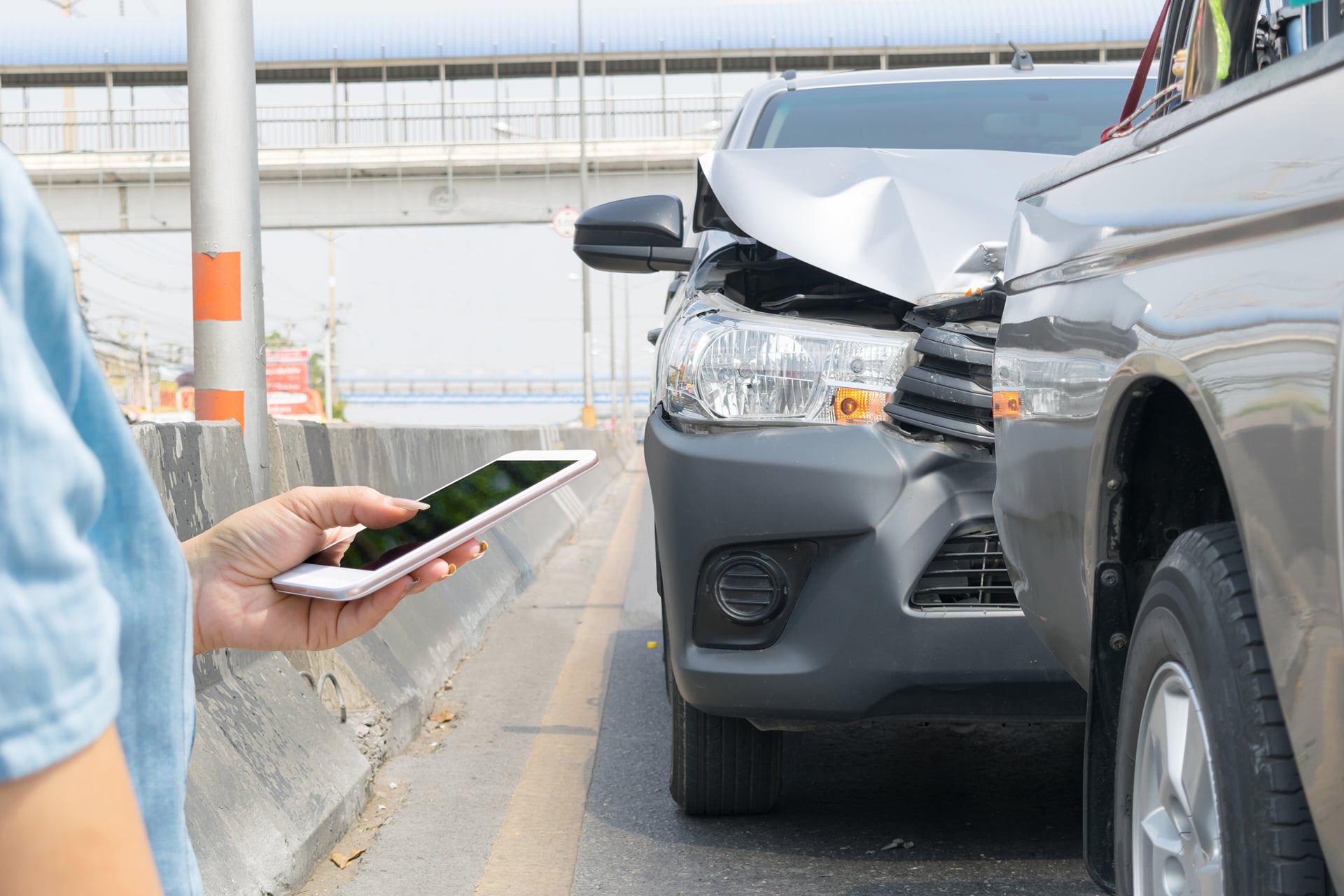
Washington State law requires every driver on the road to be able to pay for the harm they cause. That obligation is the foundation of what state law calls financial responsibility, and it shapes nearly every aspect of how car accident claims are handled in Washington. Whether you are a driver trying to understand your insurance coverage obligations, someone involved in an accident regardless of injury, or someone recently injured by an uninsured or underinsured motorist, knowing how this law works can directly affect your rights and your options.
This article explains Washington’s financial responsibility law in plain terms, including what the law requires, what happens when a driver fails to comply, and why the legal minimums may not protect you as fully as you might expect.
Understanding Washington’s Financial Responsibility Law
Financial responsibility law is the mechanism that ensures vehicle owners can pay for the harm they cause in the case of a car accident. Washington is a fault-based state, meaning the driver who causes an accident is legally responsible for the resulting injuries and property damage, which differs from the no-fault insurance systems used in many other states. The law is codified primarily in two chapters of the Revised Code of Washington:
- Chapter 46.29 RCW governs financial responsibility broadly, covering the consequences of accidents and the requirements for proving future financial responsibility.
- Chapter 46.30 RCW establishes the ongoing, day-to-day obligation to maintain liability insurance or an equivalent form of coverage any time you operate a registered motor vehicle in the state.
Under RCW 46.30.020, no person may operate a motor vehicle registered in Washington unless they meet one of the law’s recognized methods of demonstrating financial responsibility, which include carrying liability insurance, posting a bond, or making a qualifying deposit with the state.
Washington’s Minimum Liability Coverage Requirements
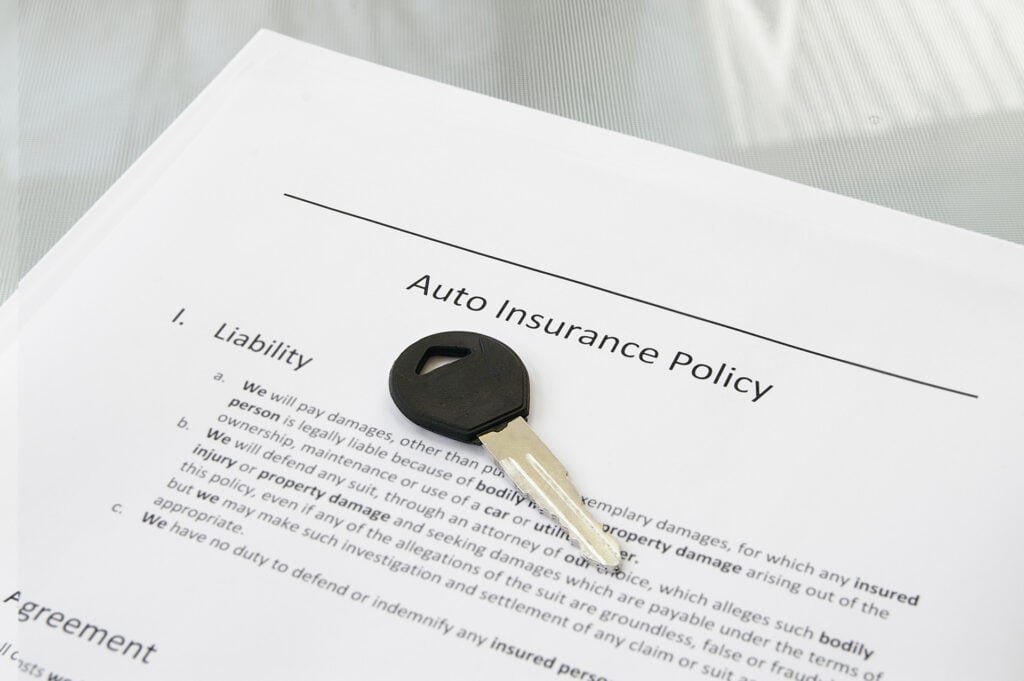
Washington law requires all drivers operating a registered motor vehicle in the state to carry a liability insurance policy that meets the state’s minimum coverage limits. Under RCW 46.29.090, Washington sets the following minimum coverage limits:
- $25,000 in bodily injury liability for one person in a single accident
- $50,000 in bodily injury liability for two or more persons in a single accident
- $10,000 in property damage liability per accident
These limits are commonly referred to as 25/50/10 coverage. They represent the minimum amount an insurer must be prepared to pay on a policyholder’s behalf after an at-fault accident. Drivers are free to purchase higher limits, and many attorneys and financial advisors recommend doing so, since the costs of a serious motor vehicle accident in Washington could exceed these minimums.
How Drivers Can Satisfy the Financial Responsibility Requirement
Standard liability insurance is by far the most common way drivers meet Washington’s financial responsibility requirement, but it is not the only method recognized under RCW 46.30.020 and RCW 46.29.450. Washington law also allows:
- Self-insurance (RCW 46.29.630): Available to individuals or organizations with more than 25 vehicles registered in their name, including commercial fleet operators, businesses with company vehicles, and government entities. Applicants must apply to the Washington State Department of Licensing (DOL) and demonstrate sufficient financial resources to pay claims without relying on a traditional insurance policy. If approved, the DOL issues a certificate of self-insurance.
- Certificate of deposit (RCW 46.29.550): A deposit of at least $60,000 in money or securities placed with the state treasurer. The deposit serves as a financial guarantee that funds are available to satisfy a judgment in the event of an at-fault accident.
- Liability bond (RCW 46.29.450): A bond of at least $60,000 executed by a surety company and filed with the DOL. A surety is a licensed third party, typically an insurance or bonding company, that guarantees payment to an injured party up to the bond amount if the driver is found liable for damages. If the surety cancels the bond, they must provide the DOL with at least 10 days’ notice.
What Is SR-22 Insurance in Washington State?
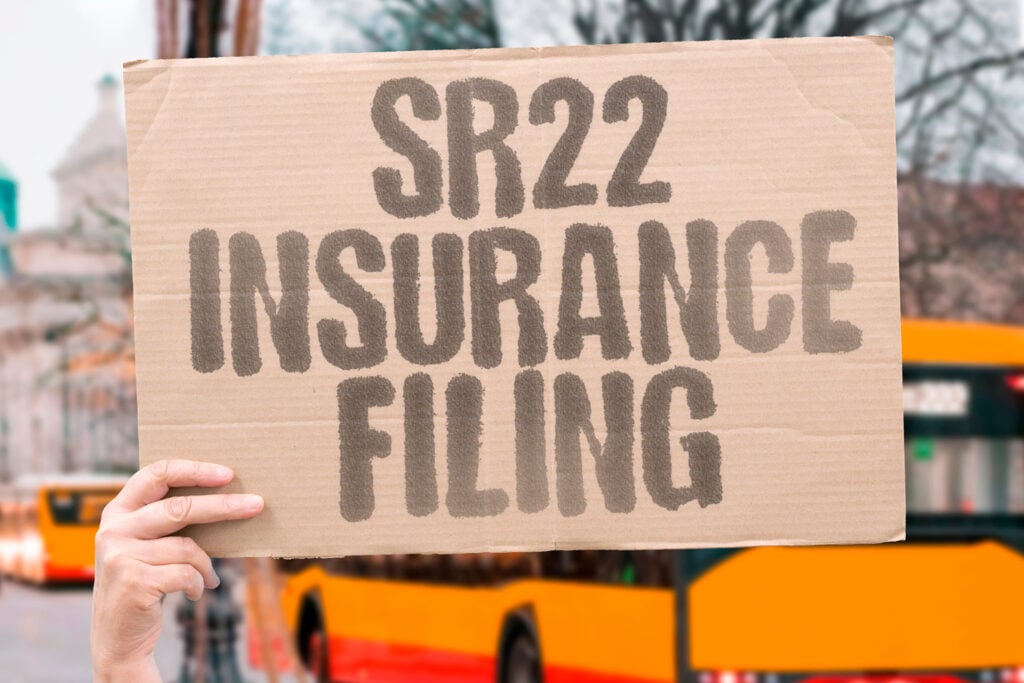
SR-22 is not a type of insurance policy. It is a certificate filed by your insurance carrier with the Washington State Department of Licensing confirming that you carry the state’s required minimum liability coverage. Importantly, SR-22 is not something every driver needs. It is a reactive requirement, meaning it is only triggered after a specific event such as a DUI conviction, a license suspension, an at-fault accident while uninsured, or certain serious traffic violations. If none of those situations apply to you, you will likely never need one.
When an SR-22 is required, your insurer files the certificate directly with the DOL on your behalf and must keep it active for the duration of the requirement. In practical terms, this means your insurer is continuously reporting to the state that your coverage remains in place. You are responsible for maintaining your policy without interruption during that period, and because SR-22 filings are associated with higher-risk driving histories, your premiums will typically increase.
Under RCW 46.29.500, if your policy is canceled or terminated for any reason, your insurer must notify the DOL within 10 days. That notification triggers an automatic license suspension until new coverage is confirmed and a replacement SR-22 is filed. SR-22 requirements generally remain in effect for three years in Washington, though the duration can be longer depending on the severity of the underlying violation or whether additional infractions occur during the filing period.
Penalties for Driving Without Financial Responsibility in Washington
Washington law requires drivers to provide proof of insurance coverage to a police officer upon request. That proof can be a physical insurance card, a digital copy on your phone, or another accepted form of documentation.
If you cannot provide it, the officer may issue a citation under RCW 46.30.020(d), which carries a fine of $550 or more as set by the state Supreme Court. Failure to provide proof also creates a legal presumption that you are uninsured, placing the burden on you to demonstrate otherwise. Drivers who can show they were actually insured at the time of the citation may have the infraction dismissed, though court administrative costs of up to $25 may still apply.
The consequences become significantly more serious after an accident. If an uninsured driver is at fault, the DOL may suspend their driver’s license under RCW 46.29.060 through 46.29.240. That suspension remains in effect until the driver either pays the outstanding judgment or reaches a written agreement with the injured party. A final judgment left unpaid for more than 30 days constitutes grounds for further suspension, and the DOL may also require the driver to file an SR-22 before their driving privileges are reinstated.
Why Washington’s Minimum Coverage Limits Often Fall Short
Washington’s 25/50/10 minimums set a coverage floor, but are not a ceiling. Serious motor vehicle accidents often result in medical bills, lost wages, rehabilitation costs, and property damage that far exceed what a minimum-limit policy will cover.
For example, if a driver sustains a spinal injury, requires surgery, and misses several months of work, they could face total damages well above $100,000. If the at-fault driver carries only $25,000 in bodily injury liability coverage per person, that policy will not come close to covering the full picture of damages, which in a serious injury case includes not just medical bills and lost wages but pain and suffering as well.
This is precisely why injured drivers should never assume that the at-fault driver’s insurance will fully compensate them for their losses. Understanding the gap between what the law requires and what a serious injury actually costs is one of the most important things an accident victim can know before engaging with an insurance company.
Differences Between Uninsured and Underinsured Motorist Coverage in Washington
Because Washington drivers are only required to carry minimum insurance coverage, the risk of being hit by a driver with inadequate coverage is real. Uninsured and underinsured motorist coverage, commonly called UM/UIM coverage, exists to fill that gap.
Under RCW 48.22.030, Washington insurers are required to offer uninsured motorist coverage to all policyholders. Under RCW 48.22.085 and RCW 48.22.095, they are also required to offer underinsured motorist coverage. Uninsured motorist coverage applies when the at-fault driver has no insurance at all. Underinsured motorist coverage applies when the at-fault driver has insurance, but their policy limits are not sufficient to cover the full extent of your damages. Washington drivers are strongly encouraged to carry UM/UIM limits that equal or exceed their liability coverage.
What Is Personal Injury Protection in Washington?
Personal injury protection, commonly called PIP, is an optional add-on coverage that pays for medical expenses and, in some cases, lost wages and other costs regardless of who caused the accident. Unlike liability or UM/UIM coverage, which depend on establishing fault, PIP pays out immediately after an accident without waiting for a fault determination.
In Washington, insurers are required to offer PIP coverage under RCW 48.22.085, though drivers may reject it in writing. For injury victims, PIP can be particularly valuable in the period immediately following a crash when medical bills are accumulating, and a liability claim has not yet been resolved.
How a Lawyer Can Help After Your Accident
When the at-fault driver is uninsured or underinsured, recovering fair compensation becomes more complicated. Your own insurer may dispute the value of your UM/UIM claim, push for a quick settlement before the full extent of your injuries is known, or look for reasons to limit their payout. The at-fault driver’s insurer, if they have one, has its own adjusters and legal team working to minimize what they pay out. An experienced personal injury attorney can counter each of those tactics, including:
- Investigate the accident and document coverage gaps. A lawyer can obtain the at-fault driver’s insurance records, confirm their policy status, and build a clear record of why your UM/UIM coverage applies.
- Establish the full value of your claim. Attorneys work with medical providers and, when necessary, expert witnesses to document the extent of your injuries, your treatment needs, and the economic impact on your life.
- Handle all communications with the insurance company. Once you have legal representation, the insurer must direct all contact through your attorney, reducing the risk that a recorded statement or offhand comment is used against you.
- Push back against lowball offers and denials. Insurers routinely offer less than a claim is worth on first contact. An attorney can identify when an offer falls short and negotiate from a position of documented evidence.
- Pursue the at-fault driver’s personal assets when appropriate. When an uninsured driver cannot satisfy a judgment through insurance, an attorney can pursue other avenues of recovery, including the driver’s personal assets, where circumstances allow.
- Take the case to court if necessary. When a fair settlement cannot be reached, an attorney can file suit and argue your case before a jury.
How Anderson Law | Injury Attorneys Can Help
Navigating a car accident claim in Washington is complicated enough when the at-fault driver is fully insured. When they are not, the process becomes significantly more difficult. Anderson Law Injury Attorneys has been representing injured drivers throughout Western Washington since 2008, and our team has extensive experience handling cases that involve uninsured and underinsured motorists, coverage disputes, and situations where the at-fault driver’s policy falls well short of what our clients need to be made whole.
If you were injured in a Washington car accident and have questions about the at-fault driver’s coverage, your UM/UIM rights, or how financial responsibility law affects your claim, contact Anderson Law today for a free consultation. There is no fee unless we win your case.
The information contained on this website is intended for informational purposes only, and is not legal advice. Nothing in this website establishes an attorney-client relationship between us. Different facts can dramatically affect a legal opinion. You should consult an attorney for legal advice that pertains to your personal situation.

Joshua D. Anderson
Attorney Joshua D. Anderson grew up in Enumclaw, Washington with a close-knit family who instilled in him the values of faith, family, and hard work. Since a young age, Josh knew he wanted to be an attorney so he could advocate for others and always knew his focus would be personal injury. He completed his undergraduate degree at the University of San Diego and graduated Cum Laude from Seattle University School of Law. While pursuing his degree, Josh served as an extern for the Seattle City Attorney’s Office.