Personal Injury | August 28, 2026 by JOSHUA D. ANDERSON
ATV Accident Causes: Why They Happen and When They Lead to a Claim
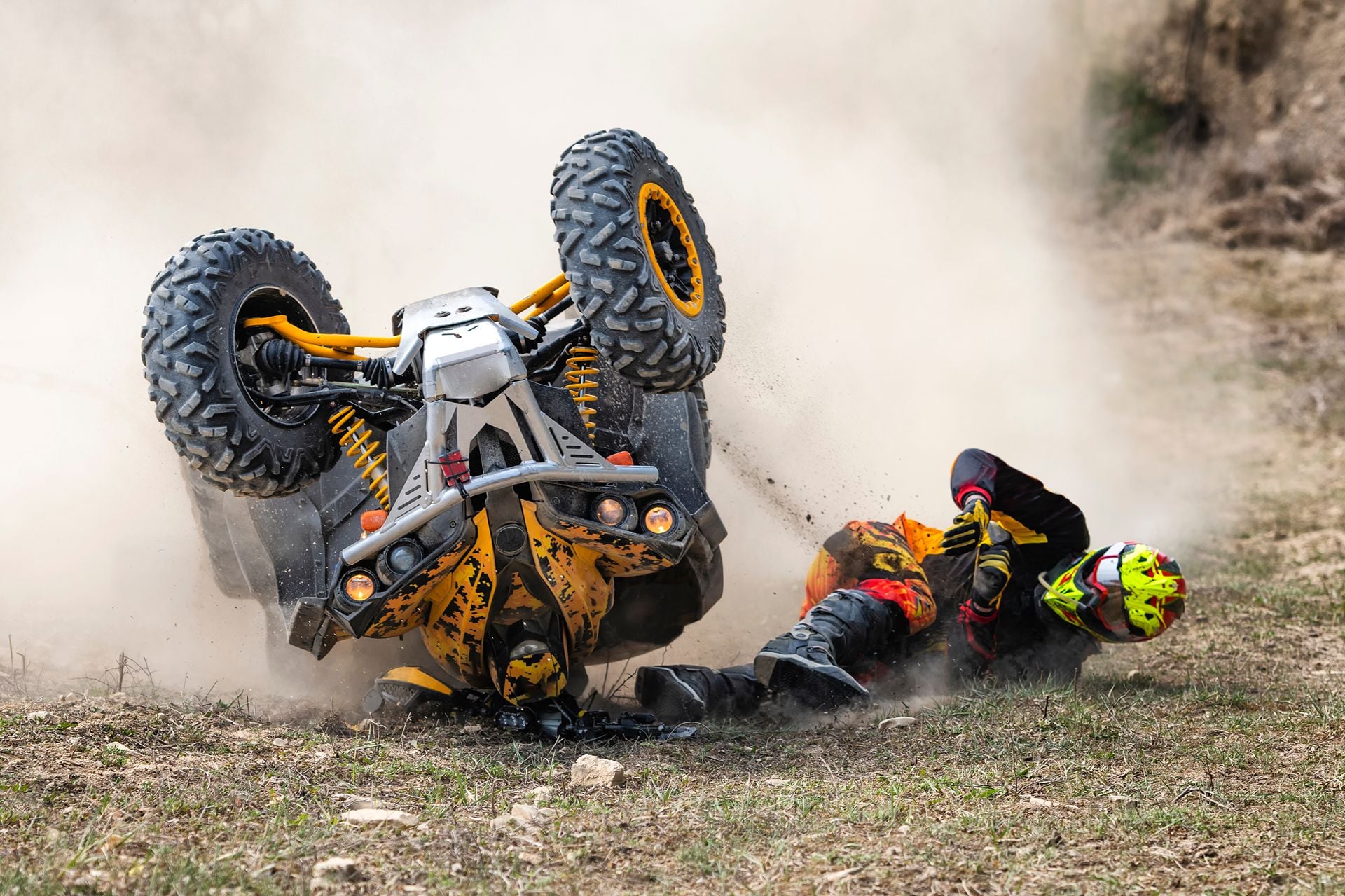
All-terrain vehicle (ATV) accidents rarely stem from a single factor. In reality, ATV crashes frequently involve a combination of mechanical issues, environmental hazards, and human error.
Riders may underestimate the risks involved or assume that appropriate safety gear and experience alone are enough to prevent serious accidents. Because these vehicles are not enclosed, lack advanced safety systems, and rely heavily on rider balance and judgment to stay stable, ATVs are less forgiving than passenger vehicles. Even minor mistakes or mechanical issues can quickly escalate into serious accidents, and understanding the most common ATV accident causes is an important first step in determining why a crash occurred and whether another party may be legally responsible.
The Most Common Causes of ATV Accidents
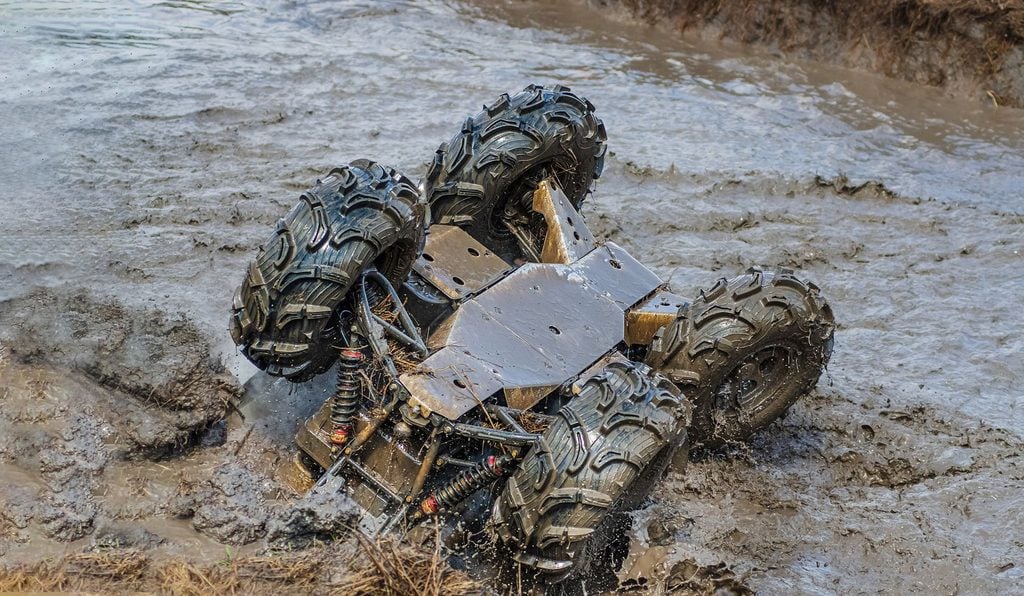
Most ATV crashes result from a combination of vehicle instability, rider behavior, environmental conditions, or equipment problems. They have a high center of gravity and are designed to operate on uneven terrain. Sudden shifts in weight, sharp turns, or unexpected obstacles can quickly cause loss of control. When they tip or roll, ATV accident victims are often thrown from the vehicle or pinned beneath it, leading to traumatic injuries. Additionally, most ATV accidents happen in remote areas, which can delay emergency medical care and worsen outcomes.
Tire Blowouts and Tire Failures
Over time, repeated exposure to rough terrain and temperature changes weakens tires, increasing the risk of failure. Blowouts commonly result from worn or aging tires that have not been replaced, as well as damage from debris such as rocks or nails encountered on trails or off-road paths. When a tire fails, the ATV can quickly spin out of control or roll over, especially if the rider panics or makes sudden steering movements. If an ATV owner, rental company, or another responsible party fails to properly inspect, maintain, or replace damaged, worn, or defective tires, they may be liable for injuries caused by a resulting accident.
ATV Rollovers and Loss of Stability
With a high center of gravity and a relatively narrow wheelbase, ATVs can tip easily during sharp turns, sudden weight shifts, or travel across uneven or sloped terrain. Loss of stability often occurs if a rider underestimates how quickly an ATV can tip, especially at moderate speeds. Improper body positioning, overcorrecting during turns, or attempting to navigate obstacles without slowing down can all cause the ATV to flip. In many rollover accidents, riders are thrown from the vehicle or pinned underneath it, leading to severe injuries or fatalities.
Inexperienced or Untrained ATV Riders
ATVs require riders to actively manage balance, weight distribution, braking, and steering, especially on uneven or unpredictable terrain. Riders who lack proper training may not understand how quickly an ATV can become unstable or how to respond when traction is lost. This risk is even higher when young riders operate full-sized ATVs without adult supervision or when riders attempt terrain beyond their skill level. Without adequate experience, small mistakes can quickly lead to rollovers, collisions, or ejections.
Excessive Speed
Traveling too fast reduces a rider’s ability to react to sudden changes in terrain, sharp turns, or unexpected obstacles. ATVs require longer stopping distances on dirt, gravel, or uneven surfaces, and speed increases the likelihood of losing control during turns or descents. Higher speeds also magnify the severity of injuries when an accident happens, making crashes more likely to result in serious or fatal harm.
Alcohol or Drug Use While Riding
Alcohol and drug use significantly increase the risk of ATV accidents by impairing judgment, balance, coordination, and reaction time. Riding an ATV requires constant physical control and awareness of changing terrain, both of which are compromised when a rider is impaired. Even small amounts of alcohol or drugs can make it difficult to maintain stability, judge speed, or respond to obstacles.
Unsafe or Unexpected Terrain
Despite ATVs being designed for off-road use, uneven and unpredictable terrain remains a major cause of accidents. Loose gravel, mud, sand, or soft soil can reduce traction and cause sudden loss of control. Hidden hazards such as holes, drop-offs, tree roots, or rocks may not be visible until it is too late to react. Riding ATVs on paved roads also increases the risk of accidents, as they are not designed to handle hard, flat surfaces at speed. Changes in weather or trail conditions can further increase the danger, even for experienced riders.
Mechanical Defects and Equipment Failures
Mechanical defects and equipment failures can cause ATV accidents even when the rider is operating the vehicle responsibly. Brake failures, steering malfunctions, suspension problems, or throttle defects can lead to sudden loss of control with little or no warning. In some cases, these failures result from poor maintenance. In others, they stem from manufacturing or design defects. When critical components do not function as intended, riders may be unable to slow down, steer away from hazards, or stabilize the ATV, increasing the risk of serious injury or death.
Carrying Passengers or Overloading the ATV
Most ATVs are designed for only one rider, and carrying passengers can significantly increase the risk of an accident. Extra weight affects the ATV’s balance, steering, and braking, making it harder to control, especially on uneven terrain or during turns. Passengers may also interfere with proper weight shifting, which is critical for maintaining stability. Overloading an ATV increases the likelihood of rollovers and loss of control, and these risks are often underestimated by riders and rental operators alike.
Collisions With Vehicles, Objects, or Other ATVs
Collisions are a common cause of serious ATV accidents, particularly when they’re operated near roads, crossings, or shared riding areas. Crashes can involve cars or trucks, especially when ATVs are driven on paved roads or cross traffic unexpectedly. Riders may also collide with trees, fences, or other fixed objects due to limited visibility or loss of control. In group riding situations, collisions between ATVs can occur when riders follow too closely or fail to anticipate sudden stops or turns, often resulting in severe injuries.
Common ATV Injuries
ATV accidents often result in serious injuries because riders are exposed and unprotected during a crash. When an ATV rolls, tips, or collides with another object, riders may be thrown from the vehicle or pinned beneath it. The combination of vehicle weight, uneven terrain, and limited safety features means that even relatively low-speed accidents can cause life-altering harm. Common ATV injuries include:
- Traumatic brain injuries and less severe head injuries occur when riders strike the ground, a tree, or another object, and they can result in long-term cognitive impairment, memory loss, or permanent disability, even when riders are wearing helmets.
- Neck and spinal cord injuries can happen during rollovers or ejections and may lead to partial or complete paralysis, chronic pain, or loss of mobility.
- Broken bones and crush injuries are common when an ATV overturns or lands on a rider, often affecting the arms, legs, ribs, or pelvis and requiring surgery or long recovery periods.
- Internal injuries may involve damage to organs such as the lungs, liver, or spleen. These ATV injuries are especially dangerous because symptoms are not always immediately apparent.
- Severe lacerations and soft tissue injuries can result from contact with sharp debris, rocks, or mechanical components of the ATV during a crash.
- Fatal injuries frequently occur in high-speed accidents, rollovers, or collisions where the rider is ejected or trapped under the vehicle.
When an ATV Accident May Result in a Personal Injury Claim
Not every ATV accident results in a valid personal injury claim, but many crashes involve negligence or unsafe conditions that go beyond simple rider error. A claim may exist when another party’s actions, decisions, or failures contribute to the accident or make the injuries worse. An ATV accident may lead to a personal injury claim when:
- Another rider operates an ATV recklessly, including speeding, riding while impaired, or ignoring basic safety precautions.
- A rental company fails to properly inspect or maintain an ATV, leading to mechanical problems such as tire failures, brake issues, or steering defects.
- A property owner allows dangerous conditions to exist, such as unmarked hazards, unsafe trails, or known obstacles, without providing warnings.
- A manufacturer or distributor provides defective equipment, including ATVs or components with design flaws or manufacturing defects.
- An employer uses ATVs in a work setting, such as farming, construction, or property maintenance, and fails to provide proper training, safe procedures, or well-maintained equipment.
Determining whether an ATV accident gives rise to a claim often requires a careful investigation into how the crash occurred, who had control over the ATV, and whether reasonable steps were taken to prevent foreseeable harm.
Speak With an ATV Accident Attorney Today to Learn if You Have a Case
ATV accidents can leave riders facing serious injuries, time away from work, and uncertainty about what to do next. Anderson Law helps injured individuals and families understand their options and pursue compensation when negligence, unsafe conditions, or defective equipment cause an ATV crash. Our attorneys focus on thorough case evaluation and clear guidance, enabling clients to make informed decisions from the outset.
Our office is located at 8520 182nd Avenue East, Bonney Lake, WA 98391, making it convenient for residents in Bonney Lake and nearby communities to meet with an experienced personal injury attorney. We offer free consultations, and you will not pay any legal fees unless we recover compensation for you. If you were injured in an ATV accident in or around Bonney Lake, contact Anderson Law to discuss your situation and learn what steps may be available to you.
The information contained on this website is intended for informational purposes only, and is not legal advice. Nothing in this website establishes an attorney-client relationship between us. Different facts can dramatically affect a legal opinion. You should consult an attorney for legal advice that pertains to your personal situation.

Joshua D. Anderson
Attorney Joshua D. Anderson grew up in Enumclaw, Washington with a close-knit family who instilled in him the values of faith, family, and hard work. Since a young age, Josh knew he wanted to be an attorney so he could advocate for others and always knew his focus would be personal injury. He completed his undergraduate degree at the University of San Diego and graduated Cum Laude from Seattle University School of Law. While pursuing his degree, Josh served as an extern for the Seattle City Attorney’s Office.