Personal Injury | September 22, 2026 by JOSHUA D. ANDERSON
Glossary of Car Accident Damages in Washington State

When you file a car accident claim in Washington State, the compensation you seek is broken down into specific categories called damages. But not every case is eligible to recover every damage. A minor car accident, like a fender bender, might only involve a few medical bills, while a serious injury claim could involve a dozen different categories at once. Knowing what falls into each category helps you understand what you are actually claiming and why.
What Are Damages in a Washington Car Accident Claim?
Damages are the legal term for the compensation an injured person can recover from the at-fault driver. Washington splits these into two broad categories.
- Economic damages are losses with a clear dollar figure attached. Medical bills, lost paychecks, and repairs all fall here because they can be documented with receipts, pay stubs, and estimates.
- Non-economic damages are losses that do not come with a receipt. Pain, emotional distress, and the loss of activities you used to enjoy are real, but they require a jury or insurance adjuster to assign a value based on the circumstances rather than a line-item bill.
While some states limit how much a jury can award for pain and suffering, Washington does not, following the state Supreme Court’s decision in Sofie v. Fibreboard Corp. (1989), which held that a legislative cap on non-economic damages violated the state constitution’s right to a jury trial.
Car Accident Damages in Washington State From A to Z
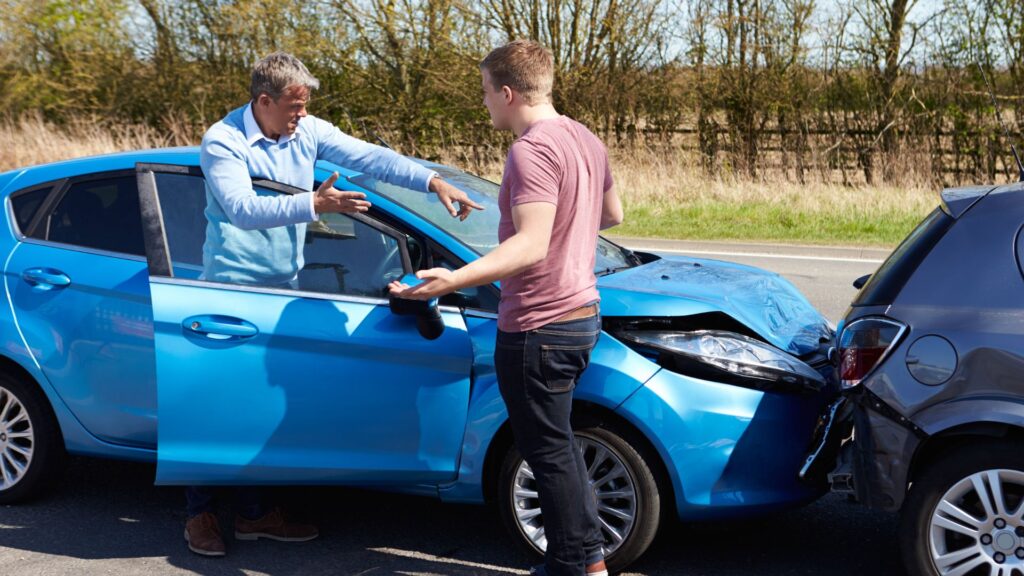
The list below covers the damages that can come up in a Washington car accident claim, from the ones present in nearly every case to the ones that only apply in specific circumstances.
Jump to:
A
Attendant care costs: An economic damage covering the cost of help with daily activities such as bathing, dressing, or moving around your home, if your injuries leave you needing that kind of assistance. These services can be provided by a professional caregiver or a family member who takes time away from other obligations.
D
Diminished value: An economic damage covering the fact that even after your vehicle is professionally repaired, it may be worth less than an identical vehicle that was never in an accident, simply because of its damage history. Washington courts recognize this loss as its own category, separate from the cost of repair itself, since certain kinds of damage cannot be fully undone even by a proper repair.
Disfigurement: A non-economic damage covering scarring or a permanent change to your physical appearance caused by the accident, treated as its own category of harm separate from the underlying pain of the injury.
E
Emotional distress: A non-economic damage covering anxiety, depression, or trauma stemming from the accident and its aftermath, whether tied to your own injuries or due to witnessing a close family member’s injury in the accident. Washington recognizes this second type as a distinct bystander claim, subject to specific requirements about your presence at the scene and relationship to the injured person.
I
Inconvenience: A non-economic damage covering the disruption to your daily routine, missed events, and general hassle caused by your injuries and recovery, which can be claimed separately from pain and suffering, though the two are often considered together.
L
Loss of earning capacity: An economic damage, different from lost wages, accounting for the reduced ability to earn income going forward, whether because your injuries limit the type of work you can do, the hours you can work, or your ability to advance in your career.
Loss of enjoyment of life: A non-economic damage covering your inability to participate in hobbies, sports, or other activities that gave your life meaning before the accident.
Loss of household services: An economic damage covering the cost of hiring someone to do tasks you would normally handle yourself, such as yard work, cleaning, or childcare, if your injuries prevent you from doing them.
Loss of parental consortium: A non-economic damage recognized in both directions in Washington. A child can claim the loss of a parent’s love, care, and guidance after a parent is seriously injured, a right the Washington Supreme Court established in Ueland v. Pengo Hydra-Pull Corp. (1984). A parent can bring a similar claim for the loss of a seriously injured child’s love, care, and companionship under RCW 4.24.010.
Loss of use: An economic damage covering the cost of a rental car or other transportation while your vehicle is being repaired, or the value of not having your vehicle available.
Lost wages: An economic damage covering income you already lost because your injuries kept you from working, documented through pay stubs or employer records.
M
Medical expenses: Usually the largest and most straightforward economic damage, covering the cost of treatment already received, such as emergency care, surgery, physical therapy, and medication, as well as the reasonably anticipated cost of future treatment your injuries will require going forward.
Medical mileage: An economic damage covering the cost of traveling to and from medical appointments, including mileage, parking, and tolls, which adds up over the course of treatment.
P
Pain and suffering: A non-economic damage covering the physical pain and general discomfort caused by your injuries, both what you have already experienced and what you are reasonably likely to experience in the future.
Permanent disability: A non-economic damage covering a lasting impairment that affects your ability to function the way you did before the accident, compensated separately from the pain associated with the underlying injury.
Property damage: An economic damage covering the cost to repair or replace your vehicle. This is usually the most immediate and easily documented damage in most accident claims.
R
Replacement of personal property: An economic damage covering the replacement costs for items damaged in the accident beyond the vehicle itself, such as a phone, glasses, or a car seat.
S
Survival action: A wrongful death damage allowing the deceased person’s own claims to continue through their estate when a person dies from injuries caused by a car accident. This is separate from the wrongful death claim brought by the surviving family.
T
Towing and storage costs: An economic damage covering the fees charged to tow your vehicle from the accident scene and store it before repairs begin, recoverable as part of your property damage claim.
V
Vocational rehabilitation: An economic damage covering the cost of retraining or vocational support if your injuries require you to train for a different type of work.
W
Wrongful death: A damage available when a car accident results in death, allowing specific surviving family members to bring a claim under RCW 4.20.010 and RCW 4.20.020 for their own losses, including the loss of the deceased person’s love, companionship, and financial support. Wrongful death is legally distinct from the survival action described above, which belongs to the deceased person’s estate rather than to surviving family members directly.
What Damages Are Not Recoverable in a Washington Car Accident Claim?

Just as important as knowing what you can claim is understanding what Washington law does not allow.
- Attorney’s fees: Governed by what is known as the American Rule, meaning each side generally pays its own attorney’s fees, and that cost is not something you recover from the at-fault driver. There are narrow exceptions outside the standard car accident claim, such as certain underinsured motorist claims against your own insurer, and cases involving bad faith conduct by an insurance company.
- Prejudgment interest: Generally not added on top of your damages for the time between the accident and the resolution of your claim, because pain and suffering, medical expenses, and most car accident damages are not a fixed, predetermined amount until a settlement or verdict sets the figure.
Talk to a Anderson Law | Injury Attorneys About Your Damages
Every accident is different, and the damages that apply to your case depend on the specifics of what happened and how it has affected you. If you are trying to understand what your claim may be worth, we offer a free case evaluation to walk through the details with you. There is no fee unless we win your case.
The information contained on this website is intended for informational purposes only, and is not legal advice. Nothing in this website establishes an attorney-client relationship between us. Different facts can dramatically affect a legal opinion. You should consult an attorney for legal advice that pertains to your personal situation.

Joshua D. Anderson
Attorney Joshua D. Anderson grew up in Enumclaw, Washington with a close-knit family who instilled in him the values of faith, family, and hard work. Since a young age, Josh knew he wanted to be an attorney so he could advocate for others and always knew his focus would be personal injury. He completed his undergraduate degree at the University of San Diego and graduated Cum Laude from Seattle University School of Law. While pursuing his degree, Josh served as an extern for the Seattle City Attorney’s Office.


