Personal Injury | November 14, 2025 by JOSHUA D. ANDERSON
Who’s at Fault in a Rear-End Collision?
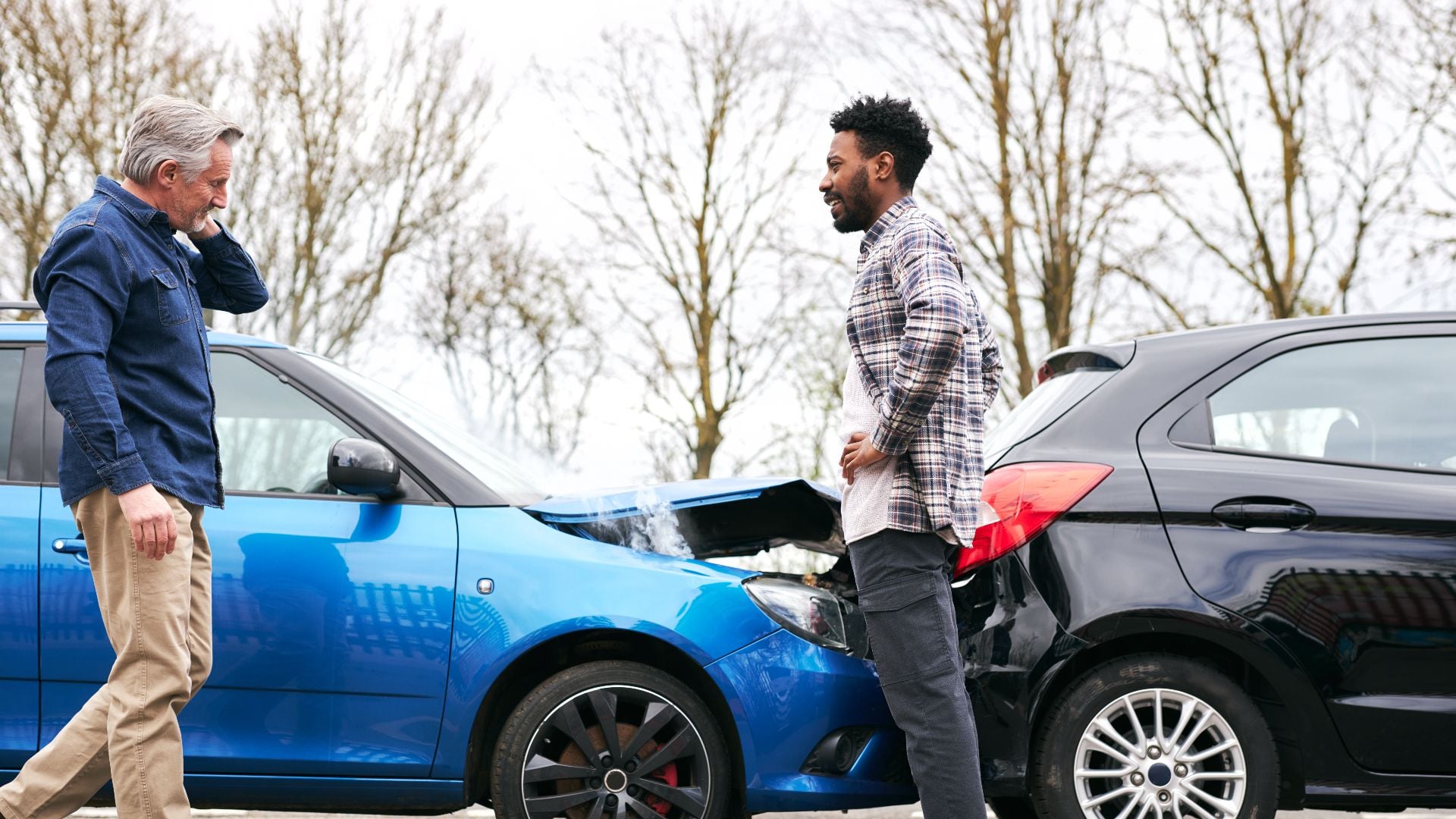
Whether you’re the front driver or the rear driver, a rear-end collision can have serious consequences. You may have soft tissue injuries that don’t appear for weeks or even months, and newer vehicles likely suffered severe damage to protect you from more serious harm.
In most cases, the rear driver is at fault for a rear-end accident, but not always, and that’s where things can get a little muddled. Here’s everything you need to know about fault in a rear-end collision in Washington State and why you might want to hire an experienced attorney to assist you.
Common Causes of Rear-End Collisions
Rear-end collisions can happen for a number of reasons. Here are some of the most common causes.
Sudden Stops
A sudden stop is best described as a driver quickly slowing their vehicle without giving other drivers a lot of warning, like tapping the brakes or gradually coasting before braking. When the front driver stops suddenly, the rear driver may not have enough time to react, resulting in a rear-end crash. These kinds of car accidents often happen when the front driver:
- Stops unexpectedly, like at a green light
- Is trying not to miss their turn or exit
- Wants to avoid something in the road
Weather Conditions
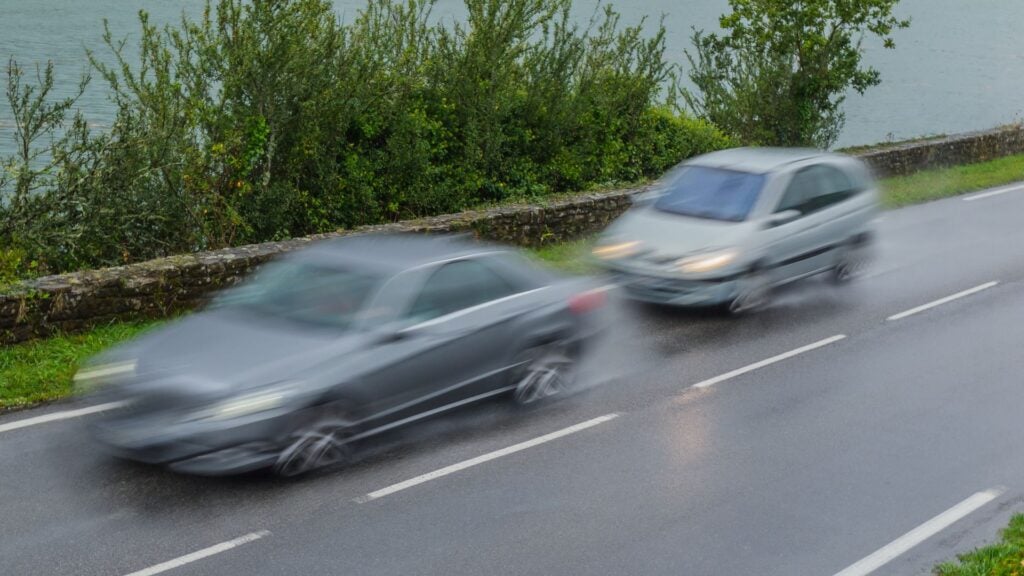
Washington State weather is notoriously rainy, icy, and windy — all things that can make it difficult to drive and stop safely. Foggy conditions reduce visibility, making it difficult for drivers to see obstacles or signage as well as stopped vehicles. Slippery roads mean a driver needs more time to stop their vehicle safely, which may not always happen.
Mechanical Issues
Mechanical issues can cause a rear-end crash, whether you’re the lead driver or rear driver.
If you’re the front driver and you don’t realize your brake lights are out, a rear driver may not realize your car is stopped until it’s too late. If you’re the rear driver and using balding tires or have brakes that need replacing or repairing, you may not be able to stop your vehicle before crashing into the lead car.
Brake Checking
While road rage contributes to and may even cause all kinds of car accidents, brake checking is a specific type of road rage that can cause a rear-end accident.
Brake-checking incidents usually start when the lead driver is driving too slowly or cautiously for the rear driver. From there, one of two scenarios can happen.
First, the rear driver may honk at or tailgate the lead vehicle. In response, the lead driver slams on the brake, forcing the rear driver to stop quickly, which they may not be able to do. Second, the rear driver pulls in front of the lead driver, then slams on their brakes, forcing the other driver to stop short.
Fatigue
Fatigue can also be a cause of or a contributing factor to a rear-end collision. Tired drivers often have slower reaction times, meaning they may not be able to react quickly enough to avoid an accident. This can be true at night and in poor weather, but also when driving conditions are perfect, and other drivers are following traffic laws.
How Is Fault Determined in a Car Accident in Washington State?
Determining who’s at fault in any kind of car crash is usually cut and dry. For example, someone who was distracted driving is usually at fault for the car accident, and someone who had the right of way usually isn’t at fault for the accident.
To determine fault for a car accident in Washington State, the police, car accident lawyers, insurance companies, and the courts look at:
- Was the driver negligent? Washington law (RCW 46.61.5249) states negligence is “the failure to exercise ordinary care, and is the doing of some act that a reasonably careful person would not do under the same or similar circumstances or the failure to do something that a reasonably careful person would do under the same or similar circumstances.”
- Circumstances that involve speeding, driving under the influence would also be evidence of negligence, and such actions may result in citations to the at-fault driver being issued, at a minimum.
- Physical evidence, like skidmarks at the accident scene or vehicle damage
- Other factors, like the weather or mechanical or maintenance issues with the car
Any and all of these factors can help determine who’s at fault for a car accident, but what about in a rear-end car accident?
How Fault Is Determined in a Rear-End Accident
In most cases, the rear driver is at fault in a rear-end accident. As a rule, they are responsible for maintaining a safe distance from the vehicles in front of them, even if that means traveling below the speed limit. Likewise, the rear driver is responsible for watching for brake lights or other signs a car is stopped.
However, in some cases, as described above, the lead driver may be at fault or partially at fault for the incident.
What Should You Do After a Rear-End Accident?
After you’ve received medical treatment and filed a police report for the car accident, you may be wondering what your next move is, especially if the rear-end collision wasn’t your fault.
Depending on the nature and extent of your injuries, you may not need to do anything other than repair your vehicle. However, if you’ve suffered more serious injuries, such as whiplash, herniated discs, or broken bones, you may need to file a claim with your insurance company or the at-fault driver’s insurance company.
However, negotiating fair compensation that covers your present and future needs can be complex. Determining liability may require more than reviewing traffic camera footage, especially if the other driver tries to shift blame to you, and you may want to consider hiring an experienced personal injury attorney for your rear-end accident case.
Anderson Law | Injury Attorneys Can Help
The experienced personal injury attorneys at Anderson Law can help with your rear-end collision case and get you on the road to financial recovery. With over 50 years of combined experience, our team will guide you through the entire claims process, negotiate on your behalf, and protect your rights, even if you’re partially liable for the accident.
Contact us today for a free consultation. There’s no obligation and no fee unless you win.
The information contained on this website is intended for informational purposes only, and is not legal advice. Nothing in this website establishes an attorney-client relationship between us. Different facts can dramatically affect a legal opinion. You should consult an attorney for legal advice that pertains to your personal situation.

Joshua D. Anderson
Attorney Joshua D. Anderson grew up in Enumclaw, Washington with a close-knit family who instilled in him the values of faith, family, and hard work. Since a young age, Josh knew he wanted to be an attorney so he could advocate for others and always knew his focus would be personal injury. He completed his undergraduate degree at the University of San Diego and graduated Cum Laude from Seattle University School of Law. While pursuing his degree, Josh served as an extern for the Seattle City Attorney’s Office.